How to Plan a Long Term Trip
Summary
At Adventures Across Borders we know how it feels when you decide you want to follow your dreams of travelling the world, watching other people online achieve this and thinking of how badly you want to join them. We know how stressful it is just choosing which area of the world to explore, never mind all the hidden logistics that go into each trip. Unfortunately it is not a case of ‘just book it and go’, but worry not! We are here to break down all these sections into straightforward steps before jetting off. So, what are the logistics behind backpacking and travelling long-term? Let’s break it down.
Common Routes
Route
Common Lengths of Time
Average Daily Budget (pp)
Ease of Travel
Overall Verdict
Southeast Asia
3 months
£30
Very Easy
Best for first time backpackers
South America
3 to 6 months
£40
Very Hard
Best for experienced or adventurous backpackers
Europe
2 months
£75
Easy
Best for comfort
Australia and New Zealand
6 - 12 months
£85
Hard
Best for road trips
Planning Cheat Sheet
Route
- Choose well travelled routes
- Use buses and trains
- Choose a focus for each country
- Avoid ferries, planes and minivans
Budget
- Pick your countries/region
- Choose a time frame
- What kind of activities interest you?
- Avoid high season
Save
- Open fixed term saver
- Sell anything unused
- Put 20% of wage into savings
- Don't keep unnecessary subscriptions
Southeast Asia Highlights
- Food
- Temples
- Beaches/water activities
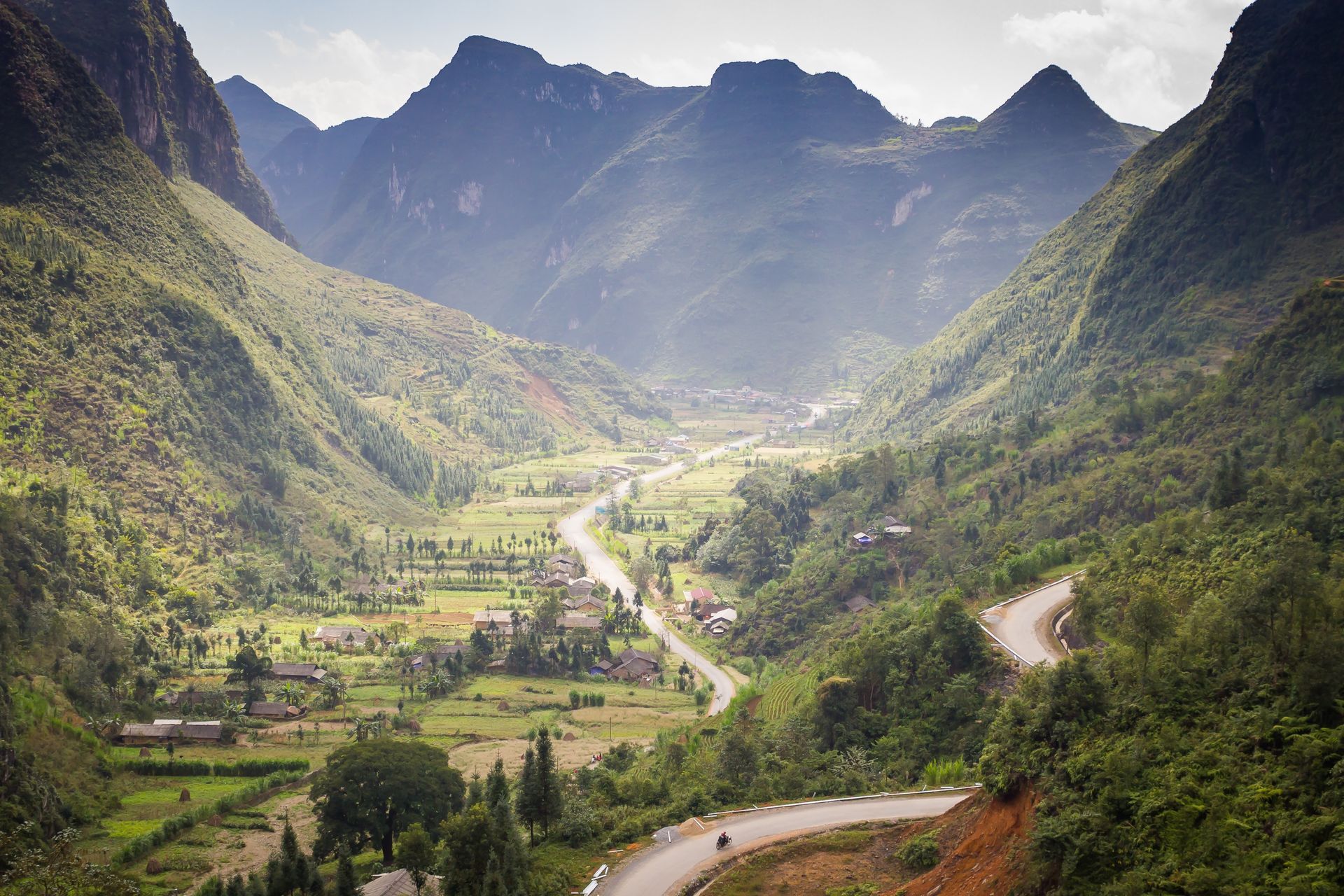
- Ha Giang loop
- Waterfalls
- Spirituality
- Yoga/meditation retreats
Europe Highlights
- History
- Beaches
- The Alps
- Coloseum (one of the 7 world wonders)
- Medieval architecture
- Hiking
- Northern lights (in winter)
South America Highlights
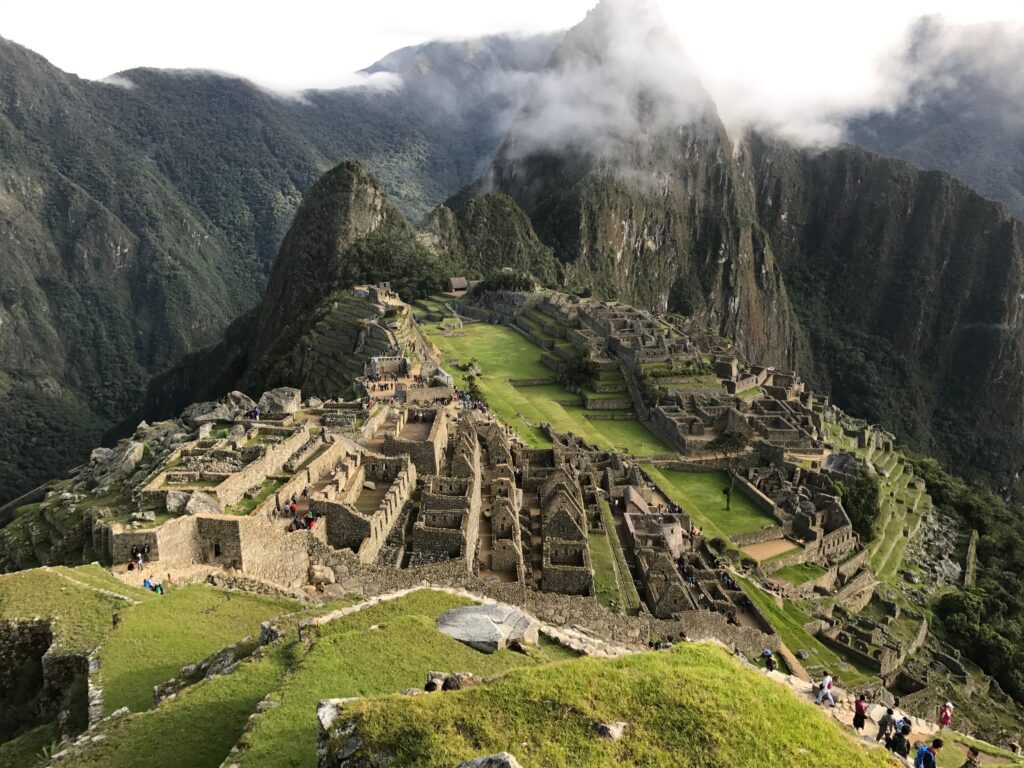
- Machu Picchu and Christ the Redeemer (2 of the 7 world wonders)
- The Amazon rainforest
- Iguazu falls
- Vibrant cities
- Hiking
- Unique landscapes
Australia and New Zealand Highlights
- The Great Barrier Reef
- The great ocean road
- Surfing and water sports
- Unique wildlife like kangaroos, koalas and capybaras
- Fiordland
- Maori culture
- Hobbiton
- Campervans
Top Things To Consider
- Budget
- Visas
- Travel restrictions
- Vaccines
- Routes
- Transport
- Climate/season
- Saving
- Travel insurance
Budget
One of the first things we did was decide on a budget for our trip. Now budgets may seem overwhelming at first, but when you narrow down what you want, it becomes pretty clear how much money you will need. You will need to decide the following:
Which countries/regions you plan to visit
How long you want to go for (weeks/months)
Whether you want a budget or mid-range experience
What kind of activities you plan on doing (hiking/diving)
What time of year you plan to go (low/high season)
After you have decided all these, the budget will become a lot clearer. For Southeast Asia, we decided on £1,000pp per month for a mid-range travel experience lasting 6-8 months, not staying in hostels, eating sit-down meals, going on the occasional scuba dive, taking an occasional taxi and not having to worry too much about money. But taking this much to Europe or Australia will be a completely different story. The table near the top of the page will hopefully break this down some more. It is possible to spend very little on activities if you use the public transport, buy your tickets in person and completely avoid sites like GetYourGuide or Viator. These websites are designed for ease, not for travellers on a budget. Public transport can be as cheap as 50p a ticket. A budget experience will give you hostels, street food, cheap buses/trains, and cheap activities like hiking and waterfalls. A mid-range experience will give you hotels/Airbnbs, sit-down meals, express trains/VIP buses, activities like scuba diving and ziplining, occasional taxis and enough money to treat yourself. Each region has a high vs low season (or a dry/wet season). Travelling in the low or wet season is recommended to stretch your money out, as everything tends to drop in price. We travelled Thailand during the wet season, and it only rains a few times a day, so for us it is definitely worth it. Some of the waterfalls, lakes, and tubing are actually better during the wet season. However, in places like Europe it is usually much more expensive to travel during summer and winter, so aim for spring and autumn.
Visas
No matter which passport you have, you will more than likely come across a wide range of visa rules. Some common rules are a 30-day visa exemption, a 30-day tourist visa or work visas. You should always read carefully which rules come under each visa to make sure you select the correct one. Always check the visa rules for the country you would like to visit at least 1 month before flying. Visa rules can change at short notice (for example Thailand have recently changed their 60 day exemption to 30). Some countries may allow visas on arrival, but we suggest you get one online to avoid hour-long airport queues. If you have not obtained the correct visa before you fly, you risk being denied entry at the border. For British citizens, no matter which country you visit, you can check the visa rules at gov.uk
Travel Restrictions and Insurance
We are very fortunate in many western countries that we don’t have to worry about conflict, safety or disease. In lots of countries, however, this is not the case. In every country you visit, there will be designated green, amber and red zones. Green zones represent freedom of travel; amber ones are usually represented as only essential travel or ‘reconsider your need’ to travel, and red zones represent ‘do not travel’. Some countries may be fully green or fully red, whereas other countries may have all three zones. We urge you again to check your country’s official government website before travelling, as somewhere that may be safe for one nationality may not be safe for another. Zones may be decided based on violent crime, natural disaster, disease, war, LGBT regulations, or nationality restrictions, so it really is essential you check before you fly, as you do not want to end up in any of these scenarios. If, however, you do find yourself in a red travel zone, you can and should make yourself known on your country’s official government website to access help. Try your best to always stick to countries in the green area, not the amber. Most, if not all, travel insurance policies will void your insurance policy if you travel to an area outside the green zones. When it comes to insurance, there are many companies to choose from, but if you are going for a long time, you must purchase a policy that covers a single trip of however long you wish to travel. Most policies used to go on holiday do not cover long-term trips despite it saying ‘single trip policy’, so please make sure you read the terms and conditions thoroughly. We went with the True Traveller backpacker policy, which covered us until the exact date we flew back to the UK; we could select our specific countries and ‘high-risk activities’, and it covered all of our medical concerns from the past 5 years. Be warned, these policies are not cheap and usually require an excess (what you pay each time you claim) of up to £100. However, you will absolutely need to use it at one point, so it is vital you get the correct insurance. You also absolutely must mention every little medical concern over the past 5 years, or, trust me, they will find a way to not cover you for withholding information. If True Traveller sounds right for you, check out their policies here.
Vaccines
Most countries outside Europe, North America, New Zealand and Australia require vaccines to visit safely. Common vaccines include:
- MMR
- Tetanus
- DTP
- Polio
- Cholera
- Hepatitis A, B
- Typhoid
- Yellow fever
- Malaria
Of these, yellow fever and malaria-prone countries usually will not let you in if you have not had the vaccine/tablets. Some of these vaccines last a lifetime, like yellow fever; some last 5-10 years, like typhoid; and some you will need every time you visit a high-risk country, like malaria tablets. In the UK, some of these are free, such as MMR, cholera, and typhoid, whereas some of them are very expensive, like Japanese encephalitis, yellow fever, and rabies. Most vaccines require more than one dose to be effective, so it is crucial to check your country’s guidelines at least 12 weeks in advance and head to a local travel clinic to get your specific itinerary checked by a professional. Be aware that vaccines do NOT offer 100% immunity, and precautions must still be taken. There are also many diseases out there without accessible vaccines, most notably dengue fever, zika virus, ebola, monkeypox etc. Your doctor or pharmacist will advise the best ways to prevent these at your travel appointment.

Routes and Transport
For each backpacking region, there are many different routes you will come across online. The most common routes include:
- North to south/south to north of countries
- The banana pancake trail (Thailand, Laos, Cambodia, Vietnam)
- The gringo trail (covering over half of central and south America)
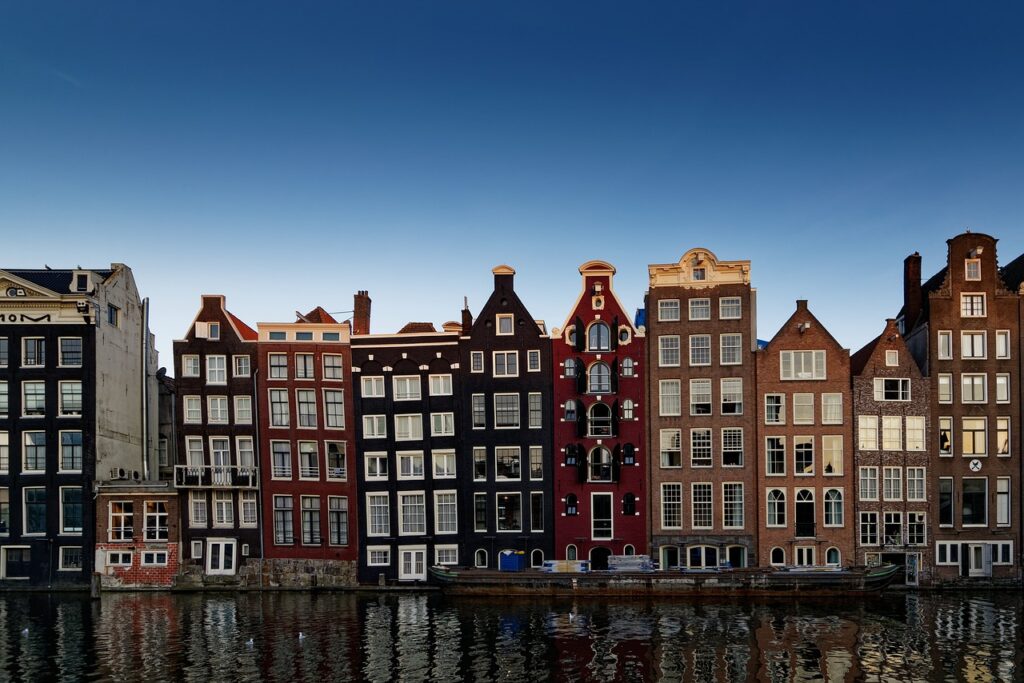
- European capitals
- The Australian east coast
- The Scandinavian route
These routes are usually well travelled and, in turn, well connected by public transport (with the exception of a few places). They are also usually the safest routes to travel through because they are used to travellers. Trying to pick a route can be difficult, so we suggest finding specific focuses along the route. For example, in Peru you may focus on the Inca Trail; in Laos you can focus on waterfalls; Nepal and New Zealand have a lot of hiking opportunities; Italy and Thailand are good for food; for divers you may focus on the Philippines, Australia or the Caribbean. It’s a good idea to have a new focus for each country so you don’t get bored. Try and find where you would like to fly into and out of as well. Once you find your focus, your start and end points, and your countries, the route will start to fall into place! Transport will fluctuate in each country as well, with South America relying on sleeper buses, Europe relying on trains and Australia/ New Zealand relying on cars/campervans and even planes. Southeast Asia has a mix of trains, buses and minivans. The buses and trains will be immensely cheaper than the others.
Saving Tips
Arguably the hardest part about travelling is having enough money to do it. We are fortunate enough to have had jobs and both earned enough money while living at home to be able to go travelling long-term. We understand not everyone is as fortunate. As shown in the table above, you could need anywhere from £800 a month to over £2,500 a month just to get by abroad. For us, spending 6-8 months in Southeast Asia with the same amount required to visit Europe for half this time was a no-brainer. However, regardless of how much you will need, here are some tips that helped us save enough money:
- Open a 1-year savings account with a high interest rate, ideally one of the accounts you cannot take money out of until the 1 year ends like a fixed term account
- Limit your personal expenses. Write down on paper where your money goes every month and remove the non essentials. Cut out alcohol, clubbing, expensive gyms, weekly restaurant meals, nail and hair appointments, any subscription you don’t use and if, like me, your car is constantly in for repairs, get rid of it (unless you absolutely need it). With this being said, you are still allowed to live, so keep a cheap gym membership, have a nice meal every once in a while and keep doing things as hobbies.
- Ask your parents if they would let you move back home for a few months to save up (this can save you over £1,000 a month)
- Sort through your room and sell anything you haven’t used or worn in the past 6 months on Vinted or Facebook marketplace
- Choose a comfortable percentage to put into a savings account each time your payslip comes in. For us, this was 20% at the start, but in the final few months we put in nearly half (because we were getting excited)