Laos Should Be On Your List (and here’s why)
Summary
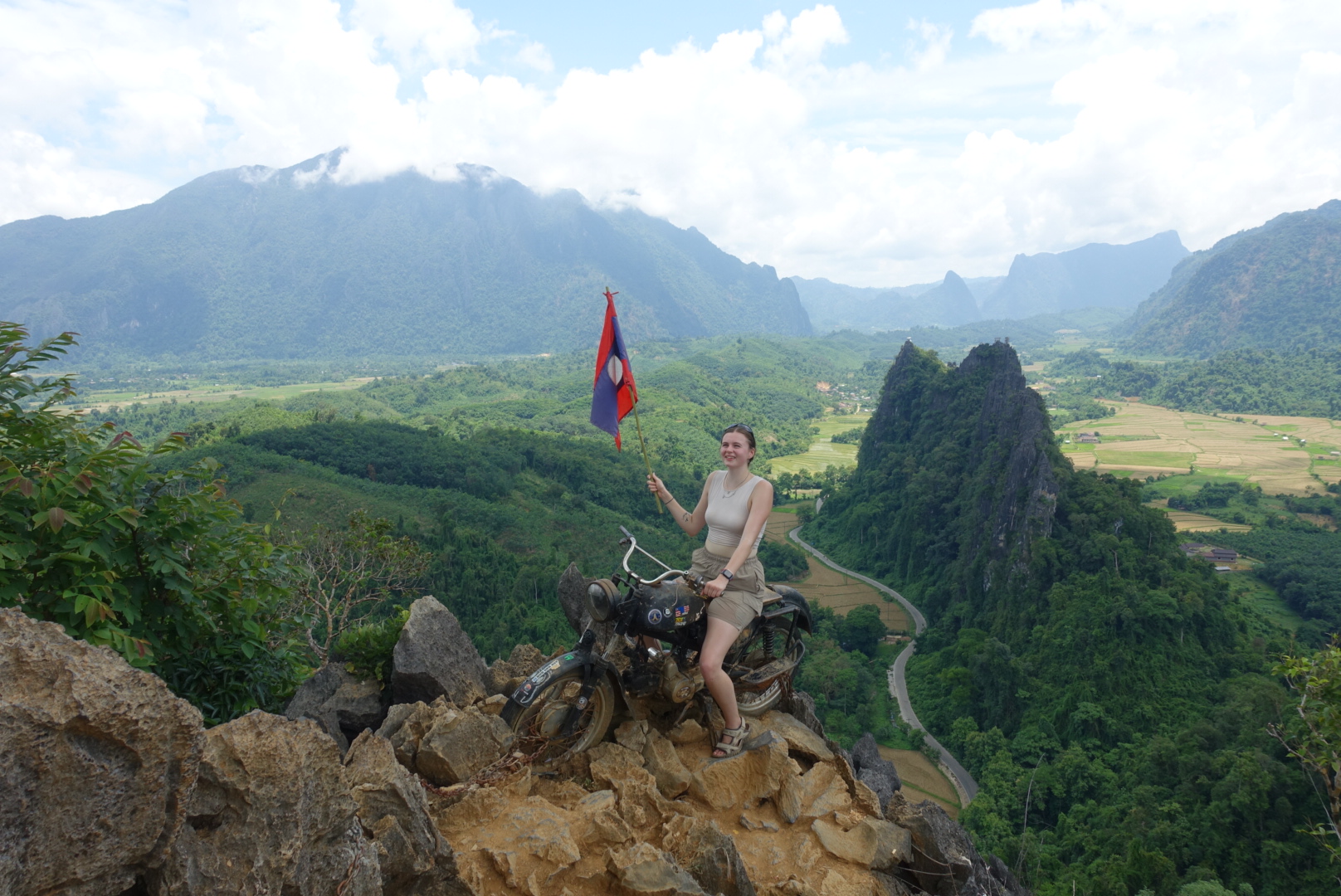
Laos – a lush green rainforest; it has one of the highest waterfalls in Southeast Asia, right in the middle of the karst mountain range; amazing food; incredible hiking; is home to 46% of the Mekong River; and is known as one of the most untouched countries in the region. On the surface, it would be a no-brainer to visit Laos during a Southeast Asia trip, which is why we were shocked to hear that many people were skipping it. Today, we will go into why people have said they are not going and tell you why you absolutely should go. Let’s begin…
Disclaimer: All of the following statements are simply personal and heard opinions amongst us and other travellers, with facts from the BBC, WHO and UN all being used where required. Everyone is allowed/has their own opinion of Laos; we are simply raising awareness from a backpacker’s perspective.
Itinerary Overview
Common Places
To Do
Daily budget (pp)
Duration in days
Personal Rating
Luang Prabang
Pak Ou Cave, Kuang Si Waterfall, night market, mekong river
£30
2 days
4/5
Vang Vieng
Tubing, lagoons, hot air balloon, viewpoint hikes, night scene, ziplines, caving
£25
5 days
5/5
Vientiane
Food, temples, hub connecting the north to south
£30
2 days
2/5
Nong Khiaw
multi-day jungle trek
£20
3 days
4/5
Pakse
Vat Phou, Tad Fane waterfall, zipline, khmer temples, 3 day bolaven loop
£20
3 days
4/5
Planning Cheat Sheet
Transport
- North - Laos China railway
- South - Buses and minivans
- To and from - Mekong river slow boat/flights
Activities
- North - Waterfalls/cascades, viewpoint hikes, adventure activites like tubing, caving, wild swimming, elephants
- South - Khmer architecture, waterfalls, coffee plantations, motorbike loops
Essential info
- Lao Kip (LAK) Roughly £1 to 30,000 LAK
- Religion is Buddhism with 67% of people practicing it
- Lao is the national language, with different dialects in the north vs south
How We Ended Up In Laos
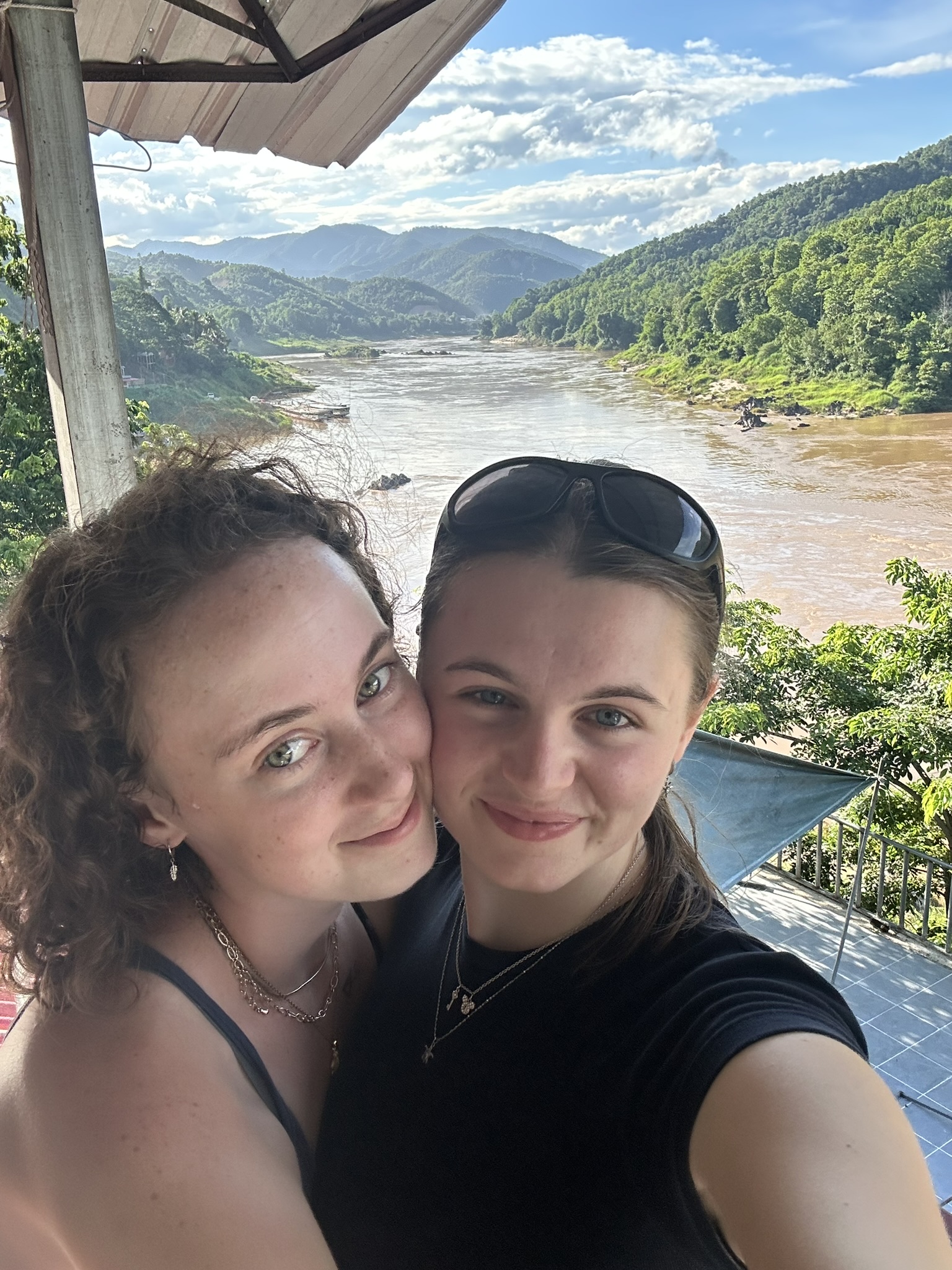
Before we set off for our Southeast Asia travels, Laos was not on our itinerary. We were under the impression that it is not a well-travelled country and there is not much to see there. We were sorely mistaken. Before we flew out, we spoke to a relative of Ella who had been to the region 15 years prior and specifically asked us, “Are you going to Laos?” To which we replied, “No, should we be going?” a little shocked that she had asked. We then listened to her extensively talk about what she did in Laos in the early 2010s, telling us many times it was her favourite country out of Thailand, Laos, Cambodia, Vietnam and Australia. At this point, we decided we would check it out, not really having any expectations of the country. Now, as we are writing this, we have been in Laos for 2 weeks, and every day we are in awe of the places we visit. In complete honesty, we feel like it offers a more authentic experience than neighbouring countries.
The Unpopular Opinions
After flying out to Thailand, we had already decided we were going to add Laos to our itinerary, but naturally, when we met other backpackers, we talked about our planned route, and, to our surprise, some unpopular opinions kept coming up about Laos. We heard some degrading, assumptive comments from people who had been or had chosen to skip it. Most of the uncertainty was surrounding the 2024 methanol poisonings in Vang Vieng. According to BBC news articles, the unfortunate event that we kept hearing about when we spoke to other backpackers, claimed 6 lives and affected 17. This isolated incident occurred during a ‘happy hour’ at a hostel, where over 100 people drank the free vodka shots, but the 23 affected drank tainted shots. Unfortunately for Laos, this has put a lot of travellers off going; however, BBC News notes that authorities did manage to trace the tainted alcohol to an illegal distillery, which has since been shut down. We have also heard other personal statements like the words ‘dirty’, ‘gritty’, ‘run down’ and even ‘a country that will make you sick’ being thrown around by different people. Most of these people happened to be from highly developed countries with high GDPs and water quality. Let’s work together to debunk these statements.
Debunking Opinions
After reading the unpopular opinions, we can understand why it may seem people don’t want to visit Laos, but after 2 weeks here, we are here to personally tell you how wrong these opinions are. In terms of the methanol poisonings, Laos, despite being on the high-risk list after the 2024 event, is not even in the top 10 countries in the world associated with mass methanol poisonings, with some surprisingly well-travelled countries being much higher on the list than Laos. We noticed when we went to Vang Vieng that there are posters teaching people the warning signs of methanol poisoning, as many casualties happen when the signs are not spotted early enough, and the Lao government specifically states to never accept any free alcohol or buy unsealed alcohol. Following these advisories will significantly decrease your chances of being affected, and, at the time of writing this blog, there have been no documented cases of methanol poisoning in Laos since the 2024 tragedy. On the United Nations development list, Laos is classified as a less developed country; they have a much lower GDP than many western countries, and they only achieved a water quality rating of 33.1 out of 100 on World Population Review. However, branding a country as ‘run down’ or ‘gritty’ because they lack the funding for western infrastructure, better transport, or proper water treatment facilities is simply unfair and ignorant. We have visited Luang Prabang, Vang Vieng and Pakbeng and endured the 2-day slow boat and have seen nothing that would indicate a rundown or gritty country; if anything, we have seen nothing but raw beauty with incredible French architecture dominating the cities.
Sure, in Laos, like most Asian countries, stomach bugs are a common issue. This is often due to eating contaminated uncooked vegetables, meat or fruit and drinking or even brushing your teeth with the tap water. It can also be due to a lack of soap or sanitiser in bathrooms, which creates a surface contamination risk for things like phones, handrails, doorknobs, money, books, etc. Some of the easiest ways to combat these are the following:
1. Don’t eat with your hands
2. Not touch your phone during meals
3. Sanitise/wash hands before touching any food
4. Only use bottled water
5. Only eat steaming hot food from reputable vendors, restaurants and cafes
Our personal experience in Laos is that after following these rules, neither of us has got sick. In our past travel experiences, travellers’ diarrhoea or stomach bugs will frequently come from personal hygiene issues rather than food poisoning. After travelling to 23 countries combined, we are yet to catch food poisoning abroad. Speculating that simply visiting a country will make you sick is simply untrue.
Why You Should Go
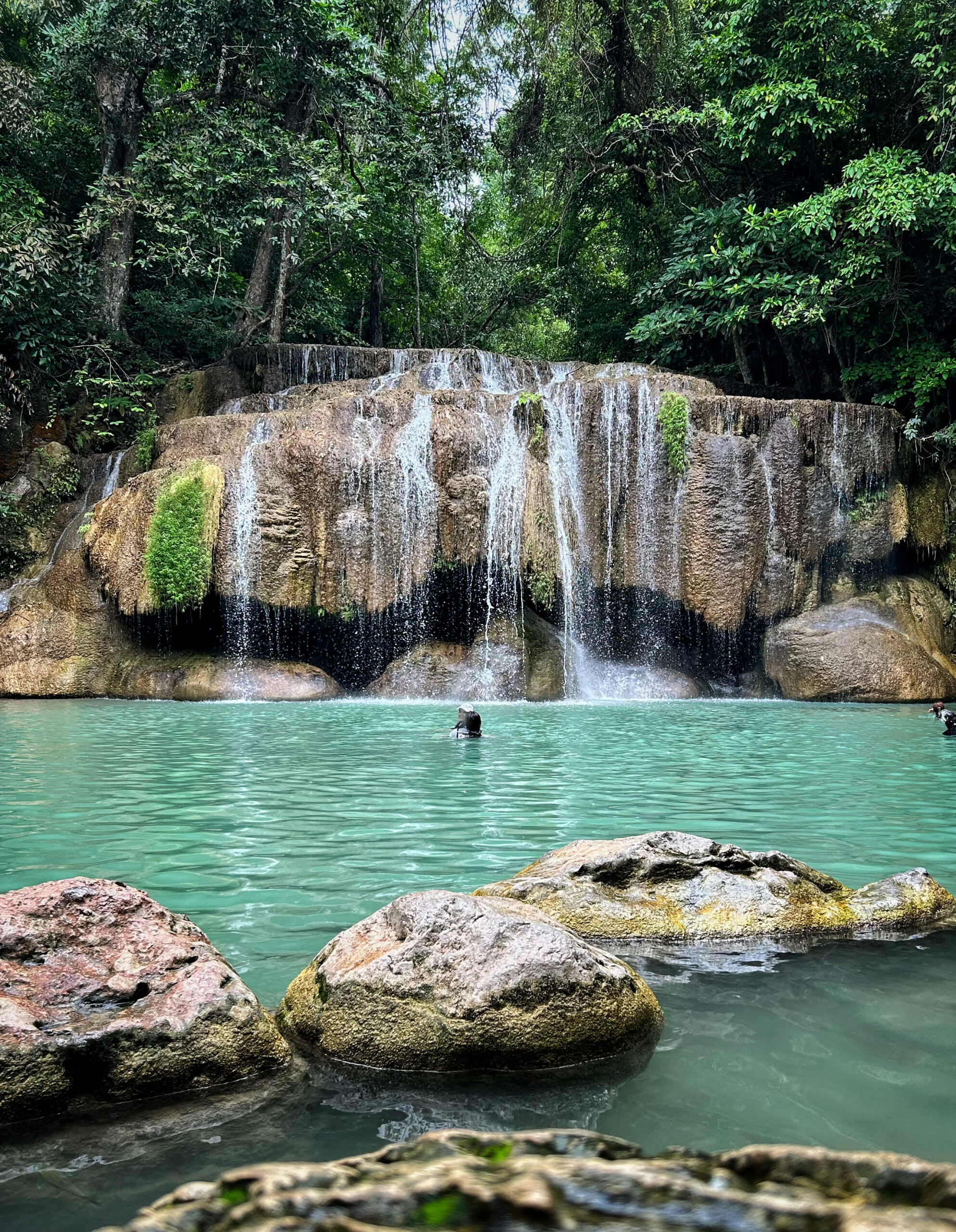
To summarise Laos in a short paragraph would be impossible, but if anyone were on the fence about visiting, we would tell them the following: known as one of the most rural countries in the region, Laos is home to 100s of waterfalls, with many remaining undiscovered in the dense jungle and the highest being Tad Fane, sitting at 120m. There are endless opportunities for multi-day treks, motorbike loops and hikes to arguably the most spectacular viewpoints in all of SE Asia. Laos is famous for its dozens of freshwater blue lagoons, caves and water sports like tubing and kayaking. For adrenaline junkies, you can ride the second-highest waterfall zipline in the world at a staggering 300m above Tad Fane waterfall. Vang Vieng is the cheapest place in the world to tick off a hot air balloon from your bucket list, soaring you over the Nathong valley at sunset for a third of the price you would pay in the UK. If you love Asian food, you will be happy to hear that the food in Laos is a mix of Lao, Thai and Chinese, making it the ideal place to hop around different vendors trying all of the different cuisines, with a massive tea and coffee culture dominating the south. Laos is one of the cheapest countries in the region to volunteer in, with many non-profit organisations all over the country, most notably Big Brother Mouse and The Sae Lao Project, with teaching, gardening, construction, farming and hostel work all available. Finally, the history of Laos is incredibly unique compared to other countries. In Vientiane, you can learn about the secret war, a war that happened between 1964 and 1973 in an attempt to cut off Laos from the Ho Chi Minh trail to prevent communist forces from taking over Laos during the Vietnam War, a war that has ultimately remained discreet but inevitably shaped Lao history. With the construction of the Lao – China railway, travelling through North Laos has never been easier, it has cut 8 hour buses down to a 1 hour train ride, making Luang Prabang – Vang Vieng – Vientiane some of the most well connected places we have visited. After spending 2 months in Thailand and 2 weeks in Laos, it became very clear to us very quickly that we would fall in love with Laos.
When it comes to Laos, it is hard to explain how laid-back, vibrant and authentic the country is, and when you arrive, you will likely not want to leave. If you still have any doubts about whether you want to visit, just go; there is truly something here for everyone.